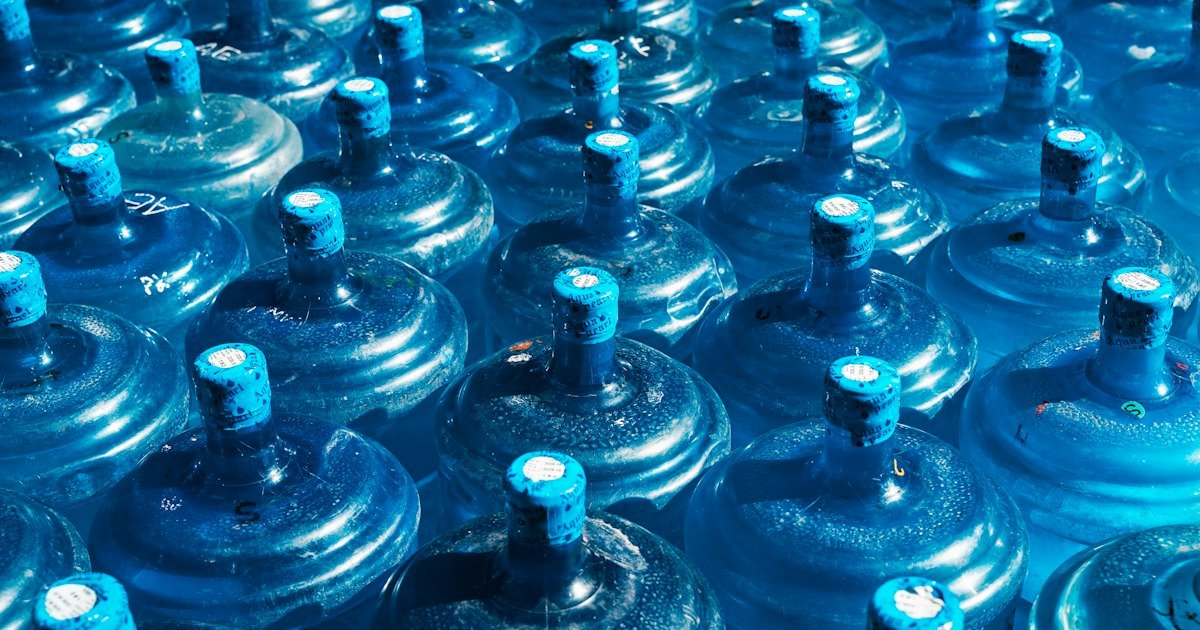
Karnataka's Food Safety and Drug Administration (FSDA) ran a two-day special inspection drive on packaged drinking water units on 29 and 30 October 2026. According to department statements reported by PTI, ETV Bharat and The Bengaluru Live, 102 units were inspected, 69 water samples were sent to government food laboratories and 53 units received notices. Several units were shut on the spot.
The drive was ordered by the state Health and Family Welfare Minister, and reports say inspections will continue regularly. Here is what was reported, and what it means for plants in Karnataka and elsewhere.
What the inspectors found
The violations listed in the department statements were practical, everyday gaps rather than complex technical failures:
- Unhygienic production areas
- No FSSAI licence, or no valid licence for the activity
- Food handlers without mandatory medical fitness certificates
- No pest-control certificate
- Labelling defects on bottles
- Missing water-quality analysis reports (reported by GKToday)
Day-by-day figures as reported
| Item | 29 Oct 2026 | 30 Oct 2026 | Total |
|---|---|---|---|
| Units inspected | 45 | 57 | 102 |
| Samples sent to government labs | 32 | 37 | 69 |
| Notices issued | 24 | 29 | 53 |
| Units shut | 1 (Mulbagal, Kolar) | 12 (PTI) | Figures vary by report |
Sources: ETV Bharat and The Bengaluru Live (29 Oct 2026) for day one; PTI via Vartha Bharati (30 Oct 2026) for day two. Reports differ on the number of closures: PTI reported 12 on day two, while other outlets reported seven or eight. We have listed only figures stated in the reports.
On day one, misbranded bottles were seized from units in Mysuru and Davanagere districts. On day two, 82 cartons of one-litre bottles, valued at Rs 7,380, were seized from a unit in Devanahalli taluk, Bengaluru Rural, for labelling violations. Day-two closures were reported in Hassan, Bengaluru Urban, Kalaburagi, Bidar and Mysuru Rural, including one unit closed for non-cooperation with inspectors. Lab results were pending at the time of the reports, and further action was to follow under the Food Safety and Standards Act, 2006.
A note on the "ISI mark" advice
Consumer advice in the coverage asked buyers to check the FSSAI licence number, ISI mark, manufacturing date and seal. Plant owners should know where things stand. Nationally, BIS certification for packaged drinking water has been voluntary since an FSSAI amendment that came into force on 18 October 2024. A missing ISI mark is not, on its own, an FSSAI violation. Using the ISI mark without a BIS licence is an offence, though. Some states have their own rules: Uttar Pradesh made BIS compulsory for PDW units by an order dated 14 October 2026. See our explainer on BIS and the high-risk category.
What this means for water plant owners
Packaged drinking water has been an FSSAI "high-risk" food category since the order of 29 November 2024. Since 1 January 2026 the Scheme of Testing has also required monthly microbiological testing and records kept for five years. State drives like this one check exactly these basics. Before an inspector visits, check that:
- Your licence matches the activity. It should be a manufacturing licence for packaged drinking water, at the right level (State or Central), and in force. A trading or retail licence does not cover bottling. Start with our FSSAI licence page.
- Staff medical certificates are current for everyone who handles water, bottles or caps, and filed where they can be shown quickly.
- A pest-control contract and service records are on file.
- Test reports are complete: monthly microbiological reports, source-water tests from an FSSAI-notified NABL lab, and in-house batch records.
- Labels are compliant: FSSAI logo and licence number, batch number, manufacturing date, best-before, net quantity, MRP and the manufacturer's or packer's address.
- Other approvals are in order: CGWA NOC for groundwater and Pollution Control Board consent (CTE/CTO).
- Someone is in charge on inspection day. One unit was reportedly closed for non-cooperation, so have a named person ready to receive inspectors and produce documents.
Our complete approval checklist for a packaged drinking water plant covers every licence in one place.
How ClearPath Compliance India can help
ClearPath Compliance India, based in Kota, Rajasthan, helps packaged drinking water plants get and keep their approvals. That covers FSSAI licensing, BIS (where required or chosen), CGWA NOC, Pollution Control Board CTE/CTO, factory licence and fire NOC. We can review your licences, test records and labels against the points above and give you a written gap list to close before the next inspection. Contact us to book a plant audit.
Sources
- PTI via Vartha Bharati, 30 Oct 2026: 12 packaged drinking water units closed in Karnataka
- ETV Bharat, 29 Oct 2026: 45 units inspected, notices to 24
- The Bengaluru Live, 29 Oct 2026: 45 units inspected, one in Kolar shut
- GKToday, 31 Oct 2026: two-day totals
- The Chenab Times, 31 Oct 2026: seven units shut
General information only, not legal advice. Figures and rules are as reported by the cited sources on the dates stated (29-31 October 2026); official orders and lab results may change the position. Brand names, where mentioned on this site, are trademarks of their owners and are used for identification only. This article is not sponsored or endorsed by any brand.