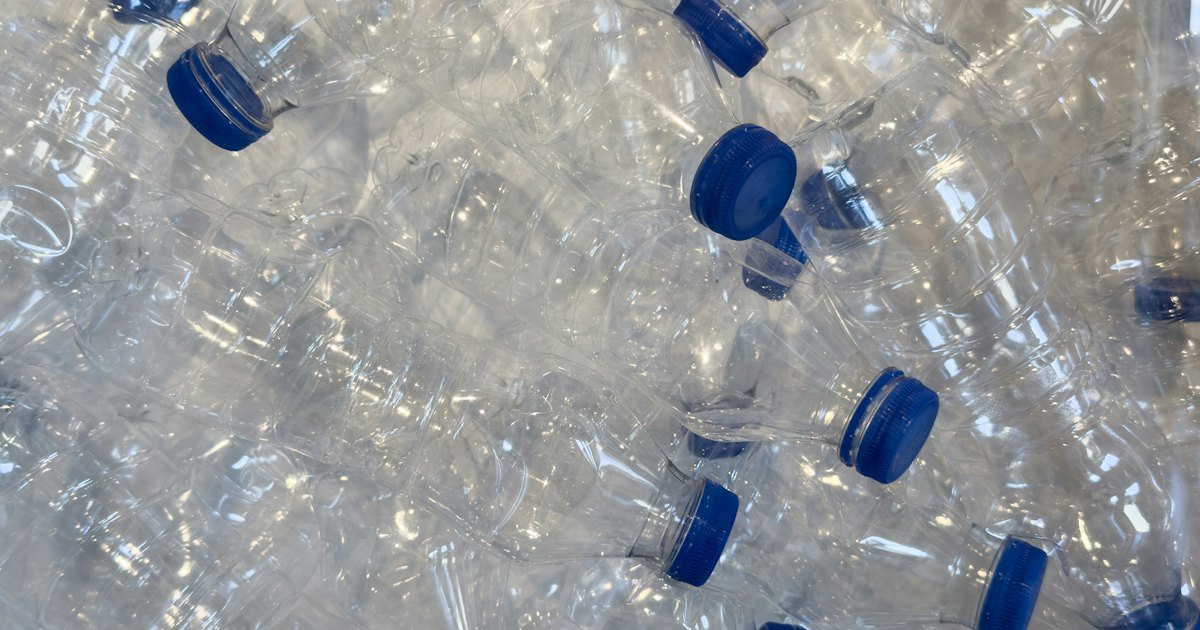
Most packaged drinking water (PDW) in India is sold in PET bottles. For several years the Plastic Waste Management (PWM) Rules have said that a growing share of this plastic must be recycled material. That share went up on 1 April 2026, and it will keep rising every year until 2028-29.
This article explains the rule in plain terms and what it means for a running water plant. That applies whether you sell under your own brand or bottle for someone else.
What the rule says
The Ministry of Environment, Forest and Climate Change (MoEFCC) notified the Plastic Waste Management (Amendment) Rules, 2026, G.S.R. 237(E), dated 31 March 2026, as reported by PETplanet on 9 April 2026. The rules set minimum recycled content for "Category I" rigid plastic packaging, which covers PET bottles.
| Financial year | Minimum recycled content (Category I rigid plastic) |
|---|---|
| 2025-26 | 30% |
| 2026-27 (current year) | 40% |
| 2027-28 | 50% |
| 2028-29 onwards | 60% |
Source: schedule as reported by PETplanet (9 April 2026), IndiFoodBev (7 April 2026) and Waste & Recycling magazine (1 April 2026).
According to Waste & Recycling magazine (1 April 2026) and IndiFoodBev (7 April 2026), a shortfall against the 2025-26 target can be carried forward. It must be made up over up to three years, with at least one-third of the shortfall met each year. Waste & Recycling also reports that recycled plastic packaging must meet IS 14534:2023 and be labelled to show its recycled content.
Who has to comply
The obligation sits with producers, importers and brand owners (PIBOs) under Extended Producer Responsibility (EPR). They must register on the Central Pollution Control Board (CPCB) EPR portal and file annual returns showing how much virgin and recycled plastic they used. As reported, an obligated party that uses more recycled content than required can sell certificates for the surplus to others. Non-compliance can attract penalties under the Environment (Protection) Act, 1986.
Where food-grade recycled PET comes from
Recycled PET (rPET) used for bottles that touch drinking water must be food grade. In March 2026, several outlets, including Indian Chemical News (16 March 2026), reported that FSSAI had granted final authorisation to 17 rPET manufacturing plants. Their combined capacity was reported at about 3 lakh tonnes a year. Bottle and preform makers buy rPET resin from such authorised recyclers. Check FSSAI's website for the current list of approved rPET manufacturers.
What this means for water plant owners
- Know whether you are the brand owner. If you sell PDW under your own brand, the EPR and recycled-content obligation for those bottles is normally yours. If you bottle for another brand, your contract should say clearly who registers on the CPCB portal and who reports the plastic.
- Get it in writing from your preform or bottle supplier. Ask for the recycled-content percentage in each lot and the name of the FSSAI-authorised rPET source. Keep these documents with your purchase records.
- Update your labels if needed. If recycled-content labelling applies to your packs, it must sit alongside your existing FSSAI and Legal Metrology declarations without errors. Changing the artwork takes time, so plan ahead.
- Keep your food-safety records consistent. PDW is a high-risk food category, with annual inspection and, for central licensees, an annual third-party audit. Inspectors and auditors may ask about packaging material, so keep your packaging specifications on file with your testing records.
- Budget for it. Food-grade rPET and the paperwork that goes with it can change your packaging cost. Check this before you quote prices to distributors or brand owners for the year.
Your other approvals stay the same: FSSAI licence, CGWA NOC and Pollution Control Board consent. See our water plant approval checklist for the full list.
How ClearPath Compliance India can help
We help PDW plants with Plastic EPR registration and annual returns on the CPCB portal, label checks against FSSAI and Legal Metrology rules, and the wider set of approvals: FSSAI licence, CGWA NOC and CTE / CTO. If you are not sure whether the recycled-content obligation is yours or your brand owner's, send us your contract and current registrations and we will tell you where you stand. Write to info@clearpathcomplianceindia.com.
This article is general information only, not legal advice. Rules are as reported on the dates stated above and may be amended. Check the official MoEFCC notification, the CPCB EPR portal and FSSAI's website for the current position before acting. Company names are used for identification only. This article is not sponsored or endorsed by any company named.