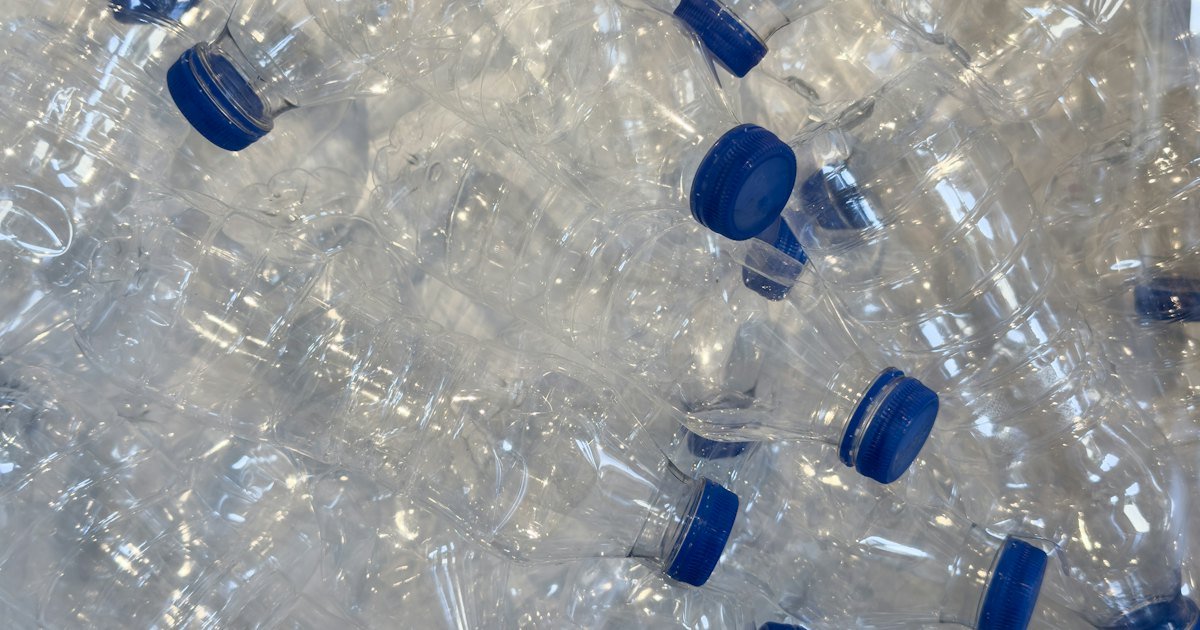
On 14 October 2026, the Bihar Food Safety Department inspected five packaged drinking water establishments around Sampatchak, Sonagopalpur and Gaurichak in Patna district and seized 15,340 litres of water valued at about Rs 3.08 lakh, as reported by Patna Press and 22Scope on 14-15 October 2026. At one of the units, the bottles carried names such as "Beslari", "Bislari Herbal Water" and "Bislferi".
We covered the wider enforcement drive in our UP and Bihar crackdown update. This guide looks at a narrower question: what name goes on your bottle, and which laws apply to it.
What the Patna inspectors reported
According to the two reports, several of the five units had no valid food licence. One unit was shut, manufacturing was stopped at another, and legal samples were sent to the food laboratory. At the unit with the look-alike names, the reports say wrappers and labels of various brands were in use, and action was initiated on licence validity and food safety standards.
A similar label problem came up in Jammu and Kashmir. Kashmir Observer reported on 28 September 2026 that the FDA sealed a packaged water unit at IGC Lassipora, Pulwama, because the licence number printed on its bottles had been issued for fruit and vegetable trading, not for water processing. We explained that case in our licence scope guide.
Two laws apply to the name on your bottle
Food law. Section 3(1)(zf) of the Food Safety and Standards Act, 2006 defines "misbranded food". It covers, among other things, packaged food that is an imitation of, or resembles in a manner likely to deceive, another food, unless it is plainly labelled to show its true character, and food sold with false, misleading or deceptive claims. Under Section 52, anyone who manufactures, stores, sells or distributes misbranded food is liable to a penalty of up to Rs 3 lakh, and the Adjudicating Officer can order the label to be corrected or the food destroyed.
Trademark law. Under the Trade Marks Act, 1999, the owner of a registered mark can take civil action for infringement against a deceptively similar mark, and the owner of an unregistered mark can bring a passing-off action. Separately, Section 103 makes it a criminal offence to falsify a trade mark or falsely apply it to goods: imprisonment of six months to three years and a fine of Rs 50,000 to Rs 2 lakh, unless the person proves they acted without intent to defraud.
| Issue on the bottle | Law | Possible consequence |
|---|---|---|
| Name or label that imitates another food product | FSS Act, s. 3(1)(zf) and s. 52 | Penalty up to Rs 3 lakh; order to correct label or destroy stock |
| Another owner's trade mark falsely applied | Trade Marks Act, s. 103 | Imprisonment 6 months to 3 years and fine Rs 50,000 to Rs 2 lakh |
| Name deceptively similar to an existing mark | Trade Marks Act (infringement or passing off) | Civil action by the mark owner |
| Packing without a valid licence for packaged water | FSS Act, s. 31 and s. 63 | Sealing and prosecution, as in the Pulwama and Patna cases |
Picking a name that is yours
- Search first. Check the IP India public trade mark search in Class 32, the class that covers "mineral and aerated waters and other non-alcoholic drinks". Look for identical names, similar-sounding names and Hindi spellings.
- Avoid near-copies. A name that differs from a known brand by one letter, a swapped vowel or an added word such as "Herbal" or "Plus" is the pattern that drew attention in Patna.
- Do not copy trade dress. Colours and layout that mimic a well-known label can cause the same problem.
- File early. The official IP India fee for a TM-A application filed online is Rs 4,500 per class for an individual, startup or small enterprise, and Rs 9,000 per class for other applicants.
If you pack for someone else's brand
Contract packing is common, but the paperwork must show who owns the brand. Keep a written agreement and the brand owner's approval of the label artwork on file, and make sure the label shows the brand owner and manufacturing unit details that the FSSAI labelling rules require. Our label checklist lists the mandatory items.
What this means for water plant owners
- Packaged drinking water is in FSSAI's high-risk category (order of 29 November 2024), so inspections are frequent and labels are checked along with the plant. See what the high-risk rules require.
- The licence number on the label must be your own FSSAI licence covering packaged drinking water at that premises.
- Settle the brand name before ordering labels or cartons, and never accept pre-printed wrappers without confirming who owns the name.
- If you receive a notice, reply within the stated time with documents. In Pulwama, the unit was given three days.
- Keep the rest of the file current too: CGWA NOC, CTE/CTO, and the full plant licence set.
FAQ: brand names for packaged drinking water
Can I use a brand name similar to a well-known water brand?
It is risky. A name or label that resembles another food in a way likely to deceive can make your product "misbranded" under Section 3(1)(zf) of the FSS Act (penalty up to Rs 3 lakh under Section 52), and the mark owner can take action under the Trade Marks Act, 1999.
Which trademark class covers packaged drinking water?
Class 32, which covers mineral and aerated waters and other non-alcoholic drinks.
What is the government fee to file a trademark for a water brand?
For an online TM-A application, IP India lists Rs 4,500 per class for an individual, startup or small enterprise and Rs 9,000 per class for other applicants.
Whose FSSAI licence number goes on the bottle?
The licence of the unit that manufactures and packs the water, covering packaged drinking water at that premises. Contract-packed products must also show the brand owner details required by the FSSAI labelling rules.
How ClearPath Compliance India can help
We prepare and file the FSSAI licence for packaged drinking water plants, review labels against FSSAI and Legal Metrology requirements, and handle CGWA NOC, Pollution Control Board consents, factory licence and fire NOC. Trade mark search and filing are best done through a registered trade mark agent or advocate; once your name is chosen, we align the licence, label and plant records with it. Call or WhatsApp us from Kota to discuss your plant.
Sources
- Patna Press, 15 October 2026: Bihar Food Safety Department seizes 15,340 litres of packaged water
- 22Scope News, 14 October 2026: Patna packaged drinking water raid (Hindi)
- Kashmir Observer, 28 September 2026: Bottled water unit sealed at Lassipora
- Food Safety and Standards Act, 2006, Section 3 (definitions)
- Food Safety and Standards Act, 2006, Section 52 (Indian Kanoon)
- Trade Marks Act, 1999, Section 103
- IP India: Trade mark forms and official fees
General information only, not legal advice. Facts, fees and penalties as reported or published on the dates stated; check the current Acts, FSSAI regulations and official fee schedules before acting. Names quoted from news reports are reproduced only to describe the reported enforcement action; no brand is assessed, and any brand names are trademarks of their owners used for identification only. Not sponsored or endorsed by any brand or organisation.