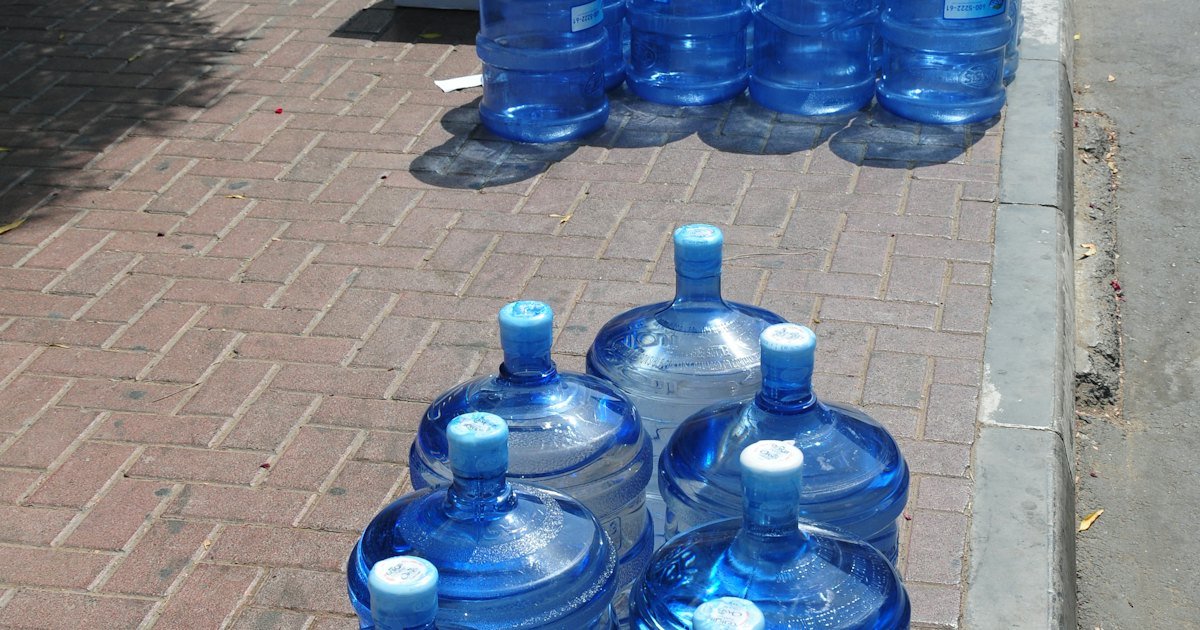
On 4 November 2026, the Kolkata Municipal Corporation and the Kolkata Police Enforcement Branch inspected packaged drinking water units in Topsia and Sapgachi. As reported by The Statesman on 5 November 2026, one unit was allegedly running without a valid licence and drawing groundwater through a borewell, and there were allegations that ordinary water was being sold in 20-litre bottles under different brand names. Documents could not be produced, and KMC issued closure notices to all the units inspected.
A week earlier, on 29 and 30 October 2026, Karnataka's food safety department inspected 102 water units and issued 53 notices (our report). The message for anyone in the 20-litre water jar business is simple: the jar trade is now inspected like any other packaged drinking water plant.
Is a water jar business a "food business"?
Yes. Section 3(1)(j) of the Food Safety and Standards Act, 2006 names packaged drinking water in the definition of food. If you treat water, fill it into jars and sell it, you are manufacturing packaged drinking water, whether the jar carries a big brand, your own brand or just an "RO water" sticker. A trading or retail FSSAI licence does not cover filling. See our FSSAI licence service.
What changed between 2024 and 2026
| Change | Date | What it means for a jar plant |
|---|---|---|
| BIS (ISI mark) made voluntary | Notified 17 Oct 2024, in force 18 Oct 2024 | FSSAI licence is the core approval. Uttar Pradesh has made BIS compulsory again by an FSDA order of 14 Oct 2026 (existing units by 31 Mar 2027). |
| "High-risk food" category | FSSAI order, 29 Nov 2024 | Inspection before licence, annual risk-based inspection, annual third-party audit for central licensees. |
| Scheme of Testing | Compulsory from 1 Jan 2026 | Monthly microbiological tests, source-water tests at FSSAI-notified NABL labs, records kept for 5 years. |
| New FSSAI turnover limits | 1 Apr 2026 | Registration up to Rs 1.5 crore, State licence Rs 1.5-50 crore, Central above Rs 50 crore. Check the packaged water Kind of Business on FoSCoS too. |
| GST on 20-litre bottles cut | 22 Sep 2025 | 12% reduced to 5%. |
| Plastic reuse target | G.S.R. 237(E), 31 Mar 2026 | Brand owners of drinking water packs of 4.9 litres and above: 70% reuse in 2025-26, 85% from 2028-29 (as reported). |
More detail: BIS voluntary and the high-risk rules, testing calendar and the 70% jar reuse target.
Step-by-step licence procedure for a 20-litre jar plant
- Check the groundwater category of your block before you buy or lease land. New packaged drinking water units are not allowed in CGWA over-exploited blocks. In Rajasthan, also read our note on the new groundwater authority law.
- Confirm land use and local permissions, such as a trade licence where your municipal body or panchayat requires one.
- Consent to Establish (CTE) from the State Pollution Control Board before civil work or machinery, with a water balance that shows where RO reject water goes. See CTE/CTO.
- Groundwater NOC from CGWA or your state authority, with a flow meter on the borewell. See CGWA NOC.
- Factory registration and fire NOC, where your size and state rules require them.
- Consent to Operate (CTO) once the plant is installed, before the first jar is filled.
- FSSAI licence for packaged drinking water manufacturing, with a pre-licence inspection.
- Legal Metrology packer registration and a compliant label for the jar or its seal.
- Plastic EPR registration on the CPCB portal if you sell under your own brand.
- Start your records: monthly lab reports, jar washing and inspection logs, and a register of jars issued, returned, refilled and scrapped.
The full sequence with documents is in our water plant approval checklist.
Where the opportunity is
- Lower tax for buyers. At 5% GST, a 20-litre jar costs bulk buyers less tax than before September 2025.
- Paperwork as a selling point. When unlicensed units are shut, as in Kolkata, offices, schools, hospitals and housing societies need another supplier. A plant that can show its FSSAI licence, recent lab reports and pollution consent has something concrete to offer.
- Returnable jars fit the new reuse rules. A well-run deposit-and-return system is already the kind of reuse the 2026 plastic amendment asks brand owners to show.
- Institutional supply. Government buyers on GeM often ask for documents beyond the FSSAI licence; see our GeM guide.
What this means for water plant owners
- If you fill jars without a manufacturing licence, stop and apply before an inspection finds you.
- Do not put an ISI mark on a jar or seal unless you hold a BIS licence for that product.
- Do not fill jars that carry another company's name or a look-alike name. Use your own label.
- Keep one file with every licence, the latest test reports and staff medical certificates ready for inspectors.
Frequently asked questions
Do I need an FSSAI licence to sell RO water in 20-litre jars?
Yes. Packaged drinking water is named in the definition of food in section 3(1)(j) of the Food Safety and Standards Act, 2006. Filling and selling jars is manufacturing, so you need an FSSAI licence or registration that covers packaged drinking water manufacturing. A trading or retail licence does not cover it.
Is BIS (ISI mark) compulsory for 20-litre water jars?
Not nationally. BIS certification for packaged drinking water became voluntary from 18 October 2024. Uttar Pradesh is an exception: its FSDA order of 14 October 2026 makes BIS compulsory for units in UP, with existing units given until 31 March 2027. Using the ISI mark without a BIS licence is an offence.
Can I start a jar plant on a borewell anywhere?
No. CGWA does not allow new packaged drinking water units in over-exploited blocks, and some states, such as Rajasthan, have their own groundwater law. Check your block's category before you buy or lease land.
What GST applies to 20-litre water jars?
5%. The GST Council reduced the rate on 20-litre bottles of packaged drinking water from 12% to 5% with effect from 22 September 2025.
How ClearPath Compliance India can help
ClearPath Compliance India, based in Kota, Rajasthan, handles the approvals a 20-litre jar plant needs: FSSAI licence, CGWA NOC, Pollution Control Board CTE/CTO, factory licence, fire NOC, Legal Metrology, Plastic EPR and BIS where it is required or chosen. Send us your location, capacity and current licences, and we will tell you what applies and in what order.
Sources
- The Statesman: Topsia packaged water units operating without valid licences, KMC orders closure (5 November 2026)
- Food Safety and Standards Act, 2006, section 3 (definitions)
- PIB: GST rate changes recommended by the 56th GST Council meeting (September 2025)
- Corporate Professionals: Plastic Waste Management (Amendment) Rules, 2026 (7 April 2026)
- The Statesman: FSDA cracks down on packaged water, no licence in UP without BIS certification (October 2026)
- GKToday: Karnataka inspects packaged water units (October 2026)
General information only, not legal advice. Rules, rates and enforcement reports are as published or reported on the dates stated; the latest official notification prevails, and state rules differ. Brand names, if any, are trademarks of their owners used for identification only. Not sponsored or endorsed by any brand named.